The NFT ecosystem has entered a new phase in 2026, one defined not by hype, but by real adoption and measurable value. What once began as digital collectibles has evolved into a powerful development layer supporting creators, startups, and global enterprises alike. NFTs are now being used to represent ownership, access rights, digital identity, intellectual property, financial instruments, and immersive experiences across multiple industries.
As this evolution accelerates, NFT development solutions have become the backbone of sustainable Web3 growth. Advanced platforms, tools, and frameworks now enable scalable minting, cross-chain interoperability, enterprise integration, and utility-driven use cases. Understanding these solutions is essential for anyone looking to build, invest, or innovate in the NFT space. In this article, we explore the top NFT development solutions that are shaping creator empowerment and enterprise adoption in 2026.
What is NFT Development Solution?
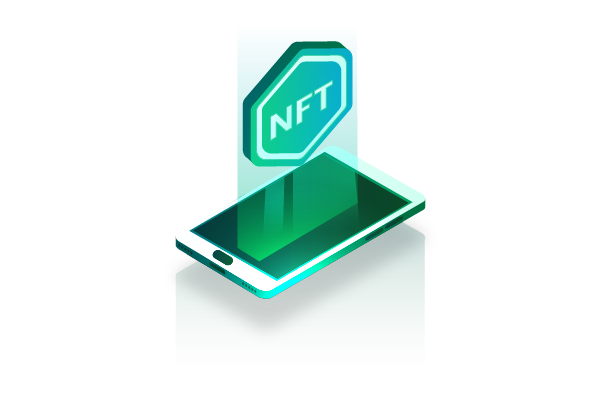
An NFT Development Solution refers to a comprehensive set of technologies, platforms, and services designed to create, deploy, manage, and scale non-fungible tokens (NFTs) on blockchain networks. These solutions go far beyond simple NFT minting. In 2026, they function as full-stack infrastructures that support smart contracts, marketplaces, wallets, APIs, and enterprise-grade integrations.
At its core, an NFT development solution enables individuals and organizations to tokenize digital or real-world assets in a secure, transparent, and programmable way. This includes everything from digital art and gaming assets to intellectual property rights, memberships, real estate, event tickets, and financial instruments. By leveraging blockchain immutability and smart contract automation, NFT development solutions ensure verifiable ownership, scarcity, and traceability.
Key Components of an NFT Development Solution
Modern NFT development solutions typically include the following elements:
- Smart Contract Architecture
Custom or standardized smart contracts that define ownership rules, royalties, transfer logic, and utility functions. - NFT Minting Infrastructure
Tools that allow creators or enterprises to generate NFTs efficiently, often with batch minting and gas-optimized processes. - Marketplace Integration
Built-in or customizable marketplaces that support buying, selling, auctions, and secondary trading. - Multi-Chain and Cross-Chain Support
Compatibility with multiple blockchains such as Ethereum, Layer-2 networks, and alternative chains to improve scalability and reduce costs. - Wallet and User Authentication
Seamless wallet connectivity and user onboarding, including non-custodial and custodial options. - Metadata and Asset Storage
Secure handling of NFT metadata and digital assets using decentralized or hybrid storage models. - APIs and SDKs
Developer tools that allow NFTs to be integrated into websites, mobile apps, games, and enterprise systems.
Also Read: Fractionalized NFTs: The Benefits and Risks
The Evolution of NFT Development
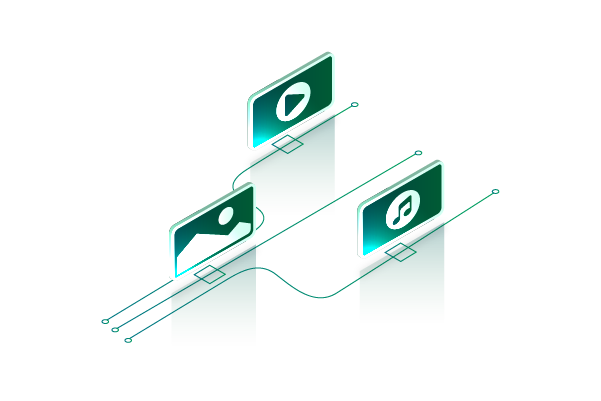
The NFT (Non-Fungible Token) development journey has been captivating, highlighted by big events and shifts such as innovations, widespread adoption, and changing use cases. Here’s a brief overview:
Early Development (Pre-2017)
The basic principles of NFTs were developed at the dawn of experiments in digital scarcity and tokenization of blockchain platforms.
Bitcoin demonstrates the first step with its decentralized and irreversible way of transporting digital assets. In the beginning, these attempts were blocked in its development and functions, mostly concentrated on the digital representation of existing physical assets rather than creating new ones.
Ethereum and ERC-721 (2017)
Ethereum started to use a smart contract just among its unique features. This primed the development of bigger and more personalized tokens. 2017 was the year of the ERC-721 standard which introduced the attribute of unique, indivisible tokens being created on the Ethereum blockchain.
In contrast to fungible tokens (like cryptocurrency), ERC-721 tokens are non-fungible due to each token being irreplaceable and not duplicate-able. Thus, it paved the way for an unprecedented growth of the NFTs beyond and above the following years.
The Rise of CryptoKitties and Early Adoption (Late 2017)
CryptoKitties, a game in which one could buy, sell, and breed tamagotchis using cryptocurrency, was the beginning of the incorporation of NFTs in the world of digital marketing. It provided a glimpse into the world of NFTs, where these digital assets come with verifiable authenticity and ownership.
CryptoKitties experienced quick popularity thus pulling thousands of users and jamming up the Ethereum blockchain network by impacting the exchange performance significantly.
Expansion of Use Cases (2018–2019)
While CryptoKitties was a huge breakthrough, NFTs were soon used in various industries as seen by the application created by developers and entrepreneurs. The areas of art, gaming, virtual real estate, digital identity representation, and supply chain management were among the various sectors that adopted NFT technology.
Artists began issuing their digital artworks as NFTs, carving a place for digital art collectors on the crypto landscape. Analogously, game developers delved into NFTs as basic gaming items, designing them with the purpose of players being able to own and exchange their in-game assets.
Standardization and Token Standards (2018–Present)
With the growth of the NFT ecosystem it dawns to the parties that interoperability and standardization in this field are needed. Also implementing ERC-721, token standards such as ERC-1155 appeared, which provided the possibility to group both fungible and non-fungible tokens into the same contract.
Developers could build and oversee different NFTs based on these guidelines, which allowed standardization across different sectors and platforms, ensuring interoperability.
Scalability and Interoperability Challenges (2019–Present)
While the interest in NFTs grew, scalability and interoperability then became important issues. The Ethereum blockchain, the blockchain that began as a house for the majority of early NFT projects, suffered from congestion and high transactional fees during times of high demand.
Developers then started experimenting with various layer 2 scaling solutions to improve scalability and lower transaction fees. Alongside the rise of other NFT-friendly platforms such as Flow, Tezos and Polygon which came to compete with Ethereum by reducing its transaction fees and speed.
Mainstream Adoption and Cultural Impact (2020–Present)
The whole world took notice of NFTs and its unbeatable possibilities, with high-profile auctions, celebrity endorsements, and institutional interest aiming to attract more users.
A number of large corporations including Nike, Coca-Cola and Christie’s had NFT as digital collectibles, brand collaborations and art auction platforms. The NFTs as well found a way into the music industry where musicians in the market released albums, songs and exclusive contents as NFTs.
Sustainability and Environmental Concerns (2021–Present)
The fast-paced development of NFTs resulted in debates over their limitations regarding ecology due to the energy consumption and CO2 emissions. Energy-consuming activities such as producing and trading NFTs, especially on proof-of-work blockchain platforms like Ethereum, were raised by environmental activists and industry stakeholders.
Therefore, the cryptocurrency community had talks on switching to more green oriented consensus protocols like the proof-of-stake (PoS) and making the NFT minting and use green.
Regulatory and Legal Considerations (2021–Present)
Governments and authorities internationally soon were taking into account NFTs, which in turn has started a discussion regarding their legal status, taxation, intellectual property rights and consumers’/customers’ protection.
Regulatory frameworks differed largely on the jurisdiction; therefore, those countries which welcomed NFTs as disruptive innovations and growth engines for the economy, enraged others which declared war against either part of the industry or put heavy restrictions.
The community of NFTs and their markets had to follow laws and regulations, so this aspect became of major importance.
Future Trends and Innovations
It is expected that the growth of NFT structure will be ongoing in future with innovative technological improvements, dynamic market influences, and the increase in consumer interests.
Some priority aspects should include improving scalability, the feature to interact between various blockchain platforms, taking the ecological issues into consideration, defining new purposes not limited to the collectibles and the art and finally, finding a place for cryptocurrencies when the regiment is involved.
Furthermore, the advancements in the augmented reality (AR), virtual reality (VR), and the metaverse might be the milestone of NFTs to transform the ownership, identity, and interaction in the virtual space in a new way.

For creators, developers, and corporate innovators, the right NFT development solutions provide the tools to mint, manage, scale, and integrate NFTs into existing systems. Whether for enhanced monetization, decentralized experiences, or customer engagement programs, NFT development solutions are now essential infrastructure for both Web3 natives and enterprises exploring digital transformation.
The following list highlights the Top 10 NFT development solutions that are catalyzing widespread adoption in 2026.
1. Modular NFT Platforms for Flexible Token Standards
NFT development has expanded beyond ERC-721 and ERC-1155. Modular platforms enable developers to define custom token behaviors without writing low-level smart contracts from scratch. These platforms allow creators and enterprises to choose:
- Metadata customization
- Royalty logic and revenue splits
- Transfer restrictions or gating
- Upgradeable token logic
Modular solutions dramatically reduce development complexity while increasing flexibility critical when projects demand tailored NFT experiences, like branded loyalty programs, tiered access passes, and dynamic rewards.
Key benefits:
- Custom minting workflows
- Reusable token components
- Integration with enterprise APIs
- Support for evolving use cases
2. Cross-Chain NFT Interoperability Solutions
NFTs must move smoothly across blockchains. Early siloed ecosystems are giving way to interoperable NFT standards that avoid lock-in on a single protocol.
Cross-chain NFT development solutions enable:
- NFT bridging between networks (e.g., Ethereum ↔ Polygon ↔ Solana)
- Shared metadata and ownership verification across chains
- Cross-chain marketplaces
- Unified wallets with multi-chain NFT support
This interoperability is fueling adoption by creators and enterprises that don’t want to limit audiences to a single blockchain. It also accelerates secondary market dynamics and network effect growth.
Core advantages:
- Wider reach for NFT holders
- Improved liquidity and trading volume
- Reduced fragmentation across ecosystems
3. Enterprise NFT Issuance & Lifecycle Management
For large brands and enterprises, NFT development needs enterprise-level tools beyond basic minting. Solutions now provide:
- Role-based access control
- Batch minting and bulk distribution
- Automated royalty enforcement
- Compliance and audit modules
- Detailed analytics and reporting dashboards
These tools help businesses manage NFT lifecycles at scale, from issuance to secondary market tracking and customer engagement.
Why enterprises love them:
- Integration with CRM and ERP systems
- Brand governance & control
- Efficient handling of large-scale drops
- Legal and compliance transparency
4. NFT Marketplace SDKs and APIs
Not every project wants to build an NFT marketplace from scratch but many need white-label marketplaces custom tailored to brand identity. Marketplace SDKs and APIs allow developers to quickly launch:
- Branded NFT storefronts
- Custom search and filter experiences
- Tiered access and gated sales
- Secondary market royalties
These development kits speed time to market while providing full control over branding and user experience.
Typical components include:
- Smart contract templates
- Web3 wallet integrations
- Listing and bidding logic
- Payment and tracking modules
5. Utility-Driven NFT Frameworks
In 2026, utility is the central theme. NFTs are not just collectibles—they represent real value and access, including:
- Event tickets and VIP access
- Membership subscriptions and loyalty benefits
- Tokenized real estate or physical assets
- Play-to-earn game rewards
Utility NFT frameworks support functionalities such as:
- Unlockable content delivery
- Dynamic attribute updates
- Time-based privileges
- Conditional ownership logic
This expands NFT usage from passive digital artifacts to active participation and experiential value.
6. NFT Identity and Reputation Systems
Identity has become a cornerstone of Web3 adoption. NFT identity solutions help users and creators establish decentralized profiles backed by verifiable ownership.
These systems empower:
- Reputation scores based on on-chain activity
- Linked identity across platforms
- Verified creator credentials
- Community trust signals
For enterprises, identity-linked NFTs support KYC/AML compliance, membership gates, and fraud resistance.
Use cases include:
- Professional badges and certifications
- Fan identity passes for exclusive content
- DAO member credentials
7. NFT Financial Instruments and DeFi Integration
NFTs in 2026 are not isolated digital assets, they’re increasingly integrated with decentralized finance (DeFi):
- NFT collateralization
- Fractional ownership
- NFT-backed lending and borrowing
- Yield generation tied to NFT portfolios
Solutions in this category provide composable smart contracts that enable financial instruments around NFTs, opening liquidity opportunities without sacrificing ownership.
Benefits to holders and creators:
- Monetize NFT value without selling
- Increased market sophistication
- Broader participation from institutional liquidity
Also read: Top 10 Blue Chip Cryptocurrencies to Consider in this year
8. AI-Enhanced NFT Creation and Analytics Tools
Artificial intelligence is amplifying NFT development with tools that assist in:
- AI generation of art and media assets
- Automated metadata tagging
- Predictive trend analytics
- Community sentiment scoring
By blending generative AI and analytics, developers and creators can produce compelling work faster and understand audience preferences with deeper precision.
Typical AI features:
- Generative media pipelines
- On-chain data analytics
- Price movement forecasting
- Sentiment filters
9. NFT Gaming Engines and Asset Libraries
In 2026, blockchain gaming is a massive driver of NFT adoption. Game engines with built-in NFT asset support empower developers to:
- Mint in-game NFTs
- Facilitate player ownership of characters, skins, or items
- Support marketplace trading of in-game assets
- Enable cross-game asset compatibility
These engines abstract complex blockchain operations, allowing game developers to focus on player experience while ensuring token integrity and interoperability.
Gaming NFT capabilities include:
- Earnable or tradeable in-game assets
- Play-to-earn reward mechanisms
- Cross-platform item integration
- Tokenized achievements and status
10. IP & Digital Rights Management NFT Platforms
As NFTs increasingly represent intellectual property and digital rights, specialized platforms are emerging to manage ownership, licensing, and royalties for digital creators.
These solutions include:
- Smart contract licensing rules
- Royalty enforcement across markets
- IP transfer and audit trails
- Automated revenue share distribution
This is a powerful development for creators whose work is monetized globally, ensuring they receive fair compensation and control over derivative works.
Key features:
- Transparent ownership history
- Enforced royalty payments
- Legal module integrations
- IP metadata tracking
Conclusion
The NFT landscape in 2026 is characterized by utility, integration, and scalability. NFT development solutions from modular token platforms to AI-enhanced creation tools are not just technical infrastructure; they are catalysts for adoption across industries.
Creators can earn, engage, and innovate without barriers. Enterprises can leverage tokenized systems for loyalty, identity, and digital transformation. And consumers can participate in decentralized ecosystems with clarity and agency.
Understanding and leveraging the right NFT development solutions today is key to unlocking the full potential of digital ownership tomorrow.

Joshua Soriano
I am a writer specializing in decentralized systems, digital assets, and Web3 innovation. I develop research-driven explainers, case studies, and thought leadership that connect blockchain infrastructure, smart contract design, and tokenization models to real-world outcomes.
My work focuses on translating complex technical concepts into clear, actionable narratives for builders, businesses, and investors, highlighting transparency, security, and operational efficiency. Each piece blends primary-source research, protocol documentation, and practitioner insights to surface what matters for adoption and risk reduction, helping teams make informed decisions with precise, accessible content.