Ask folks about burn rate in crypto, they often get curious. Here’s the core thought: certain blockchains intentionally take tokens out of circulation. Once gone, that act earns the name “burn.” How fast do those tokens vanish? That pace has a label – burn rate.
Burning tokens ties into how a system manages its total supply – this setup goes by tokenomics. Rules might lock things down tightly or leave room to adjust. Fees sometimes feed the fire that removes coins from circulation. A reserve stash could also lose tokens through burns now and then. After buying back tokens, certain networks choose to destroy them outright. How supply shifts over time depends on which approach gets used.
Burning through tokens? That’s what the burn rate shows. Think of it like tracking how fast fuel disappears. Instead of just piling up supply, some systems destroy coins – burning them – or create new ones – minting. Spotting the difference helps make sense of changes in total coin count.
Net issuance comes from subtracting burned amounts from newly made ones. Numbers like these shape decisions. For people using apps, building protocols, or holding assets over years, understanding movement matters more than you might expect at first glance.
What Is Burn Rate in Crypto?
Burning tokens means moving them somewhere they can never be accessed. That spot holds them forever – no one gets them out. The system counts them as missing now. Gone like messages tossed into deep water. Their total number drops because of this move. Not paused. Not saved. Just erased for good.
A chunk of tokens vanishes each interval – that’s what we call the burn rate. How fast they disappear depends on the time frame set. Disappearing acts define how much gets wiped out regularly.
- A single block might show how fast something burns. Hourly tracking reveals changes over shorter spans. Daily counts give a clearer picture of steady loss. Weekly patterns often smooth out sudden jumps. Yearly totals put long-term drain into view.
- A figure like ten thousand tokens each day might reflect how fast they’re used up. Burn rate spells out that pace using actual token counts.
- A figure like that might show up as part of the total amount available – say, each year it adds up to one and a half percent.
Burn Rate Is Not the Same as “Less Supply Means Higher Price”
A fresh take often shows that shrinking supply doesn’t automatically lift value. What counts is how much folks want it, what they do with it, whether they believe in it, and how nervous they feel. Market mood plays its part too. Removing tokens might shape perception around scarcity – still, outcomes aren’t written in stone.
Common Ways Tokens Are Burned
Burns can happen in different ways:
Fee Burn (Automatic Burn)
- Some of the network cost vanishes each time someone sends a transaction.
- Heat builds up if demand spikes.
Scheduled Burn (Planned Burn)
- Burning tokens happen on a fixed schedule – could be every month, maybe each quarter.
- A set number might decide the burn. Or perhaps it’s tied to how much money comes in.
Buyback and Burn
- Bought tokens show up when a group spends money in the marketplace.
- Burning follows right after the tokens arrive.
Burn on Action
- Burning tokens happens if someone mints something. A service signup can trigger it too. Using a feature might remove them from circulation. Each move cuts the total supply a little.
Table 1: Main Burn Methods and What They Mean
| Burn Method | How It Works | What You Measure | Main Benefit | Main Limit |
| Fee Burn | A part of fees is destroyed in each transaction | Burns per block/day, tied to network use | Links burn to real activity | Burn falls when activity drops |
| Scheduled Burn | Burns happen at planned times | Burn event size and schedule | Easy to predict | Can feel like marketing if use is low |
| Buyback and Burn | Funds are used to buy tokens, then burn | Buyback size, burn size, funding source | Can support price and supply story | Needs steady funds and clear rules |
| Burn on Action | Users burn tokens to do something | Burns per feature or per user action | Can align supply with product use | Can limit growth if costs feel high |
| Proof-of-Burn (Rare) | Users burn to gain some role or chance | Burn inputs vs network rewards | Strong cost signal | Complex and not common |
Also Read: What Is Sandbox Crypto? A Beginner’s Guide to SAND, LAND, and Play-to-Earn
Burn vs Mint and the Idea of Net Issuance
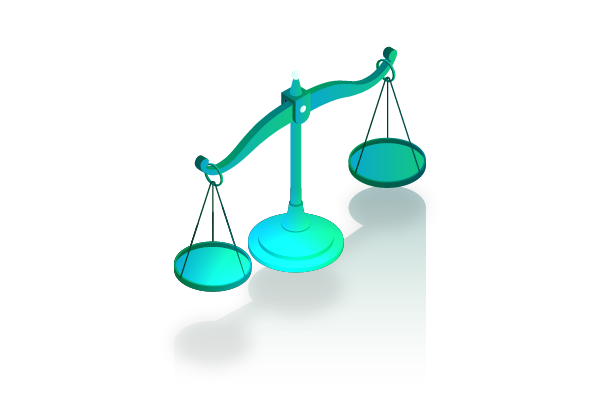
One way to get burn rate is by looking at how it differs from minting.
- Minting creates new tokens.
- Burning destroys existing tokens.
Some systems run two tasks together. That means the real figure you watch isn’t just burn – it’s what’s left after adding new coins. The balance matters more than one part alone.
What Is Net Issuance?
Net issuance is:
Net Issuance = Tokens Minted − Tokens Burned
- A rise in net issuance means more supply enters the market. When that number climbs, what’s available increases too.
- Barring any net issuance, the amount in circulation holds steady.
- When net issuance drops below zero, the amount available gets smaller.
Less supply? That term pops up a lot in crypto circles – deflationary. More coins floating around? Inflationary, some say. Words like these give a hint, sure. Yet they miss how the whole system works together. Confusion sneaks in fast. Even so, they offer a starting point when you’re just getting your head around things.
Why Minting Exists
Minting is used for reasons like:
- Paying validators or miners for security
- Money flows into projects through networks of support – sometimes built right into how things are set up
- Supporting staking rewards
- Bootstrapping early growth
Should a network never produce new tokens, covering its safety and running costs becomes necessary through alternative means.
Why Burning Exists
Burning is used for reasons like:
- Controlling supply growth
- Linking token value to use (in fee burn designs)
- Offsetting staking or mining rewards
- Creating a clear supply policy users can track
Table 2: Net Issuance Examples
| Scenario | Minted Per Day | Burned Per Day | Net Issuance Per Day | Supply Trend | What It Often Signals |
| High Mint, Low Burn | 1,000,000 | 50,000 | +950,000 | Growing fast | Security rewards are large, burn is weak |
| Balanced Mint and Burn | 300,000 | 300,000 | $0 | Flat | Use and rewards are in balance |
| Burn Higher Than Mint | 200,000 | 350,000 | -$150,000 | Shrinking | Strong activity or strong burn rule |
| Both Low | 50,000 | 10,000 | +40,000 | Slowly growing | Quiet period or low use |
| Spiky Burn Events | 300,000 | 0 most days, 3,000,000 on burn day | Varies | Uneven | Scheduled burns can look large but are not daily |
“Burn Rate” Can Mean Different Things
Now here’s how folks talk about “burn rate” – it shows up differently depending on who you ask:
Gross Burn Rate
- Burn rate measured only by how much disappears over set intervals.
Net Burn Rate
- Burn minus mint, shown as a supply change rate.
Effective Burn Rate
- Each year, how much burns compared to total supply appears as a percentage.
While scanning updates, wonder – does that burn figure stand alone, or has new supply been subtracted? Ever notice how numbers shift meaning when context hides?
How to Measure Burn Rate Step by Step

When tracked clearly, burn rate makes sense. Without background, a figure might confuse.
Step 1: Pick a Time Window
Common time windows are:
- 24 hours (good for activity changes)
- 7 days (smooths noise)
- 30 days (better for trends)
- 1 year (good for long-term supply policy)
Short windows move fast. Long windows give a clearer trend.
Step 2: Find the Burn Amount in That Window
Depending on the chain, you might look for:
- Total tokens burned from fees
- Total tokens sent to a burn address
- Total tokens removed by a contract function
- Total tokens burned by a treasury action
Some tokens are burned in many small pieces. Others are burned in big events. That changes how the chart looks.
Step 3: Convert the Burn Amount Into a Rate
You can express burn rate in different forms:
A. Tokens per Day
- Burn Rate (tokens/day) = Burned Tokens in Window ÷ Number of Days
B. Percent of Supply per Year (Annualized)
This helps compare tokens with different supplies.
- Daily Burn Percent = (Burned Per Day ÷ Current Supply)
- Annualized Burn Percent = Daily Burn Percent × 365
This is a simple model. It assumes the daily burn stays the same, which is not always true.
Step 4: Compare Burn to Mint
Burn alone is not enough in many systems.
- Net Issuance (per day) = Minted per day − Burned per day
- Net Issuance (% per year) = (Net Issuance per day ÷ Supply) × 365
A token can burn a lot and still grow in supply if minting is higher.
Step 5: Check What Drives the Burn
A strong burn rate can come from different drivers:
- Higher network use (more fees, more burn)
- Higher fee levels (more value per action)
- A new rule that burns more per transaction
- A one-time burn event by a team
These drivers do not mean the same thing. A burn rate rising because the product is used more is different from a burn rate rising because fees got expensive.
Burn Rate and Circulating Supply
There is also a supply detail:
- Total supply is all tokens that exist.
- Circulating supply is tokens that can trade and move freely.
Some projects burn from non-circulating pools. Some burn from circulating tokens. The market impact can differ, because the “real” tradable amount matters for price discovery.
A Simple Reading Checklist
When someone shares a burn number, these questions help:
- Is this burn daily or event-based?
- Is it shown in tokens or percent?
- Is it gross burn or net after minting?
- Is it based on total supply or circulating supply?
- What is the driver of the burn?
Why Burn Rate Matters for Value, Fees, and Security
Burn rate matters because it sits at the center of three big ideas:
- Supply policy
- User cost
- Network security incentives
Supply Policy and Long-Term Scarcity
If a token has steady demand but a supply that grows fast, each token can feel less scarce over time. Burning can reduce supply growth or even flip it into net negative issuance.
But scarcity is not only about burning. Scarcity also depends on:
- Whether the token has real use
- Whether users want to hold it
- Whether the system stays trusted
- Whether rules can change without warning
A token with a strong burn but weak trust can still struggle.
Fees, User Experience, and Real Costs
Many fee-burn systems burn part of the fees users pay. That means:
- High activity can raise burn totals.
- High fees can raise burn totals.
- But high fees can also push users away.
So burn can be a sign of use, but it can also be a sign of friction. The best case is a network that has strong use with fair costs, where the burn reflects real value moving through the system.
When looking at burn tied to fees, it helps to look at:
- Number of transactions
- Total fees paid
- Average fee per action
- Growth in active users
Burn without these signals can hide the true story.
Security and Incentives
Many networks mint tokens to pay validators or miners. Those rewards help keep the network secure. Burning can reduce the net growth of supply, but security still needs enough reward value.
This creates a balance problem:
- If rewards are too low, fewer secure actors join.
- If rewards are too high, supply grows fast and can reduce value per token over time.
- Burning can help balance this by offsetting some of the minted supply, but only if the burn source is stable.
A system can also shift incentives by moving value from users to holders:
- High burns from fees can look good for holders.
- But those burns came from user payments.
- If users do not see enough value, activity can fall.
Burn Rate and “Value Capture”
In token design, people often ask if a token “captures value” from network use. Burn is one way to connect use to supply reduction. Another way is directing fees to stakers or holders. Both are value paths, and each has trade-offs.
Burn is a supply-side path:
- It does not send money to a person directly.
- It changes the supply curve.
- It can be simpler to model, but still depends on demand.
Burn Rate and Market Cycles
Burn rate can change fast in bull and bear markets:
- In active markets, users trade and move assets more, so burns can rise.
- In quiet markets, activity drops, so burns can fall.
- If a token’s story depends heavily on burn, the story may weaken in low-activity periods.
So it is safer to treat burn rate as one signal, not a full answer.
Also Read: What Is a Bridge In Crypto? Risks, Hacks, and Safer Ways to Move Assets
Risks, Misunderstandings, and How to Read Burn Data
Burns can sound clean and strong, but the details matter. Many mistakes come from reading one number without context.
Misunderstanding 1: “Burn Rate Means Profit”
Burning is not the same as profit. It is not a cash payout. It is a supply change. Profit is about revenue, cost, and who receives the value. Burn does not show who benefits in a direct payment sense.
A project can burn tokens and still have weak finances, weak product fit, or weak long-term demand.
Misunderstanding 2: “A Big Burn Event Means the Token Is Now Scarce”
A large burn event can reduce supply, but scarcity is also shaped by:
- How many tokens still unlock later
- How much the project can mint in the future
- Whether the rules allow new supply changes
- Whether demand grows, stays flat, or falls
A one-time burn can be less important than a steady policy.
Misunderstanding 3: Confusing Burned Tokens With Locked Tokens
Locked tokens can still exist. They are not burned. They can return later when the lock ends. Burned tokens are intended to be final.
This difference matters when reading supply charts.
Misunderstanding 4: Ignoring Who Controls the Burn
Some burns are automatic and coded into the protocol. Others are controlled by a team or a small group.
- Automatic burns can be easier to trust, if the code is stable.
- Manual burns can be changed, paused, or used for marketing.
Control and governance design matter.
Misunderstanding 5: “Net Issuance Does Not Matter If Burn Is High”
Net issuance often matters more than gross burn. If minting is higher, supply still grows.
A strong analysis compares:
- Burn rate
- Mint rate
- Net issuance
- Supply schedule and unlocks
Practical Ways to Use Burn Rate as a Reader
For long-term holders
- Focus on net issuance over long time windows.
- Watch how burn behaves in low activity months.
- Check if burns are driven by healthy use or by high user costs.
For active users
- Watch how fee burns relate to fee levels.
- If fees rise a lot, burn may rise, but the user experience may worsen.
For builders
- Burn design can affect onboarding.
- If using a product requires burning tokens, new users may hesitate unless the value is clear.
A Short “Healthy Skeptic” List
When burn is used in promotion, these points help keep balance:
- Does the token have real use beyond the burn story?
- Is the burn rule stable and transparent?
- Is there a clear mint policy that could offset the burn?
- Are future unlocks large compared to the burn rate?
- Does the burn depend on high fees that might limit growth?
A Simple Example to Combine All Ideas
Imagine a network that mints 500,000 tokens per day for validator rewards. It also burns tokens from fees. In a high-use week, it burns 600,000 tokens per day. Net issuance becomes -100,000 tokens per day, so supply shrinks.
Now imagine the market cools down. Burns drop to 150,000 tokens per day. Net issuance becomes +350,000 tokens per day, so supply grows again. The burn story changes with activity.
This is why burn rate must be read with time windows and context.
Conclusion
Burn rate is the speed at which a crypto system removes tokens from supply. When people ask, what is burn rate in crypto?, the useful answer is not only “tokens are destroyed,” but also “how fast, under what rules, and compared to minting.”
Burn vs mint matters because many networks do both. The key supply number is often net issuance, which is minted tokens minus burned tokens. A high burn rate can still lead to supply growth if minting is higher, and a low burn rate can still lead to supply shrink if minting is even lower.
Burn rate matters because it connects supply policy, user costs, and security rewards. It can be a strong signal when it is stable and linked to real use, but it can also mislead when it is event-based or used without context. The safest approach is to read burn rate together with minting, net issuance, fee levels, and real activity over time.

Joshua Soriano
I am a writer specializing in decentralized systems, digital assets, and Web3 innovation. I develop research-driven explainers, case studies, and thought leadership that connect blockchain infrastructure, smart contract design, and tokenization models to real-world outcomes.
My work focuses on translating complex technical concepts into clear, actionable narratives for builders, businesses, and investors, highlighting transparency, security, and operational efficiency. Each piece blends primary-source research, protocol documentation, and practitioner insights to surface what matters for adoption and risk reduction, helping teams make informed decisions with precise, accessible content.